
CopyJump

Automate SEO without losing the brand.
Visit CopyJumpI built CopyJump to get customers from Google for my own products.
I'd hired copywriters and SEO writers before. They weren't bad writers, but the drafts didn't have the product detail I wanted, and I spent more time fixing them than I would have spent starting from scratch. I didn't have time to write it all myself either.
So I built the tool I wanted. It learns the brand first, picks the work from real search data, and checks the draft before I read it.
Who it's for
Two kinds of people. Founders and small teams doing SEO for their own business, where one person is often the marketer, the writer and the editor. That was me. And agencies and freelancers running SEO for clients, with a separate brand for each one.
It isn't for anyone who wants a pile of posts by Friday. I wouldn't use a tool that did that, so I didn't build one.
How it works
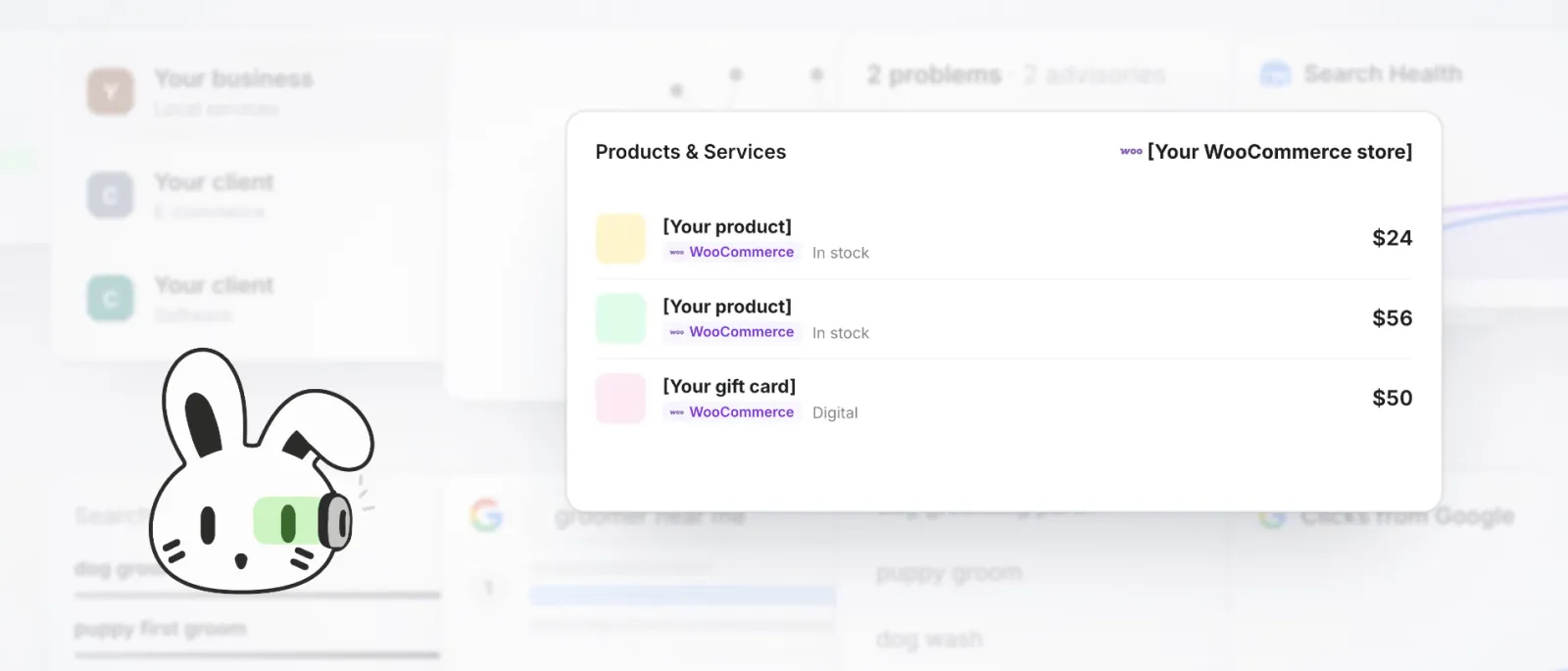
It learns the brand. Give it your site and it builds a brand profile: what you sell, who it's for, and how you like to write. Brand files, like product specs or messaging docs, become the facts it writes from.
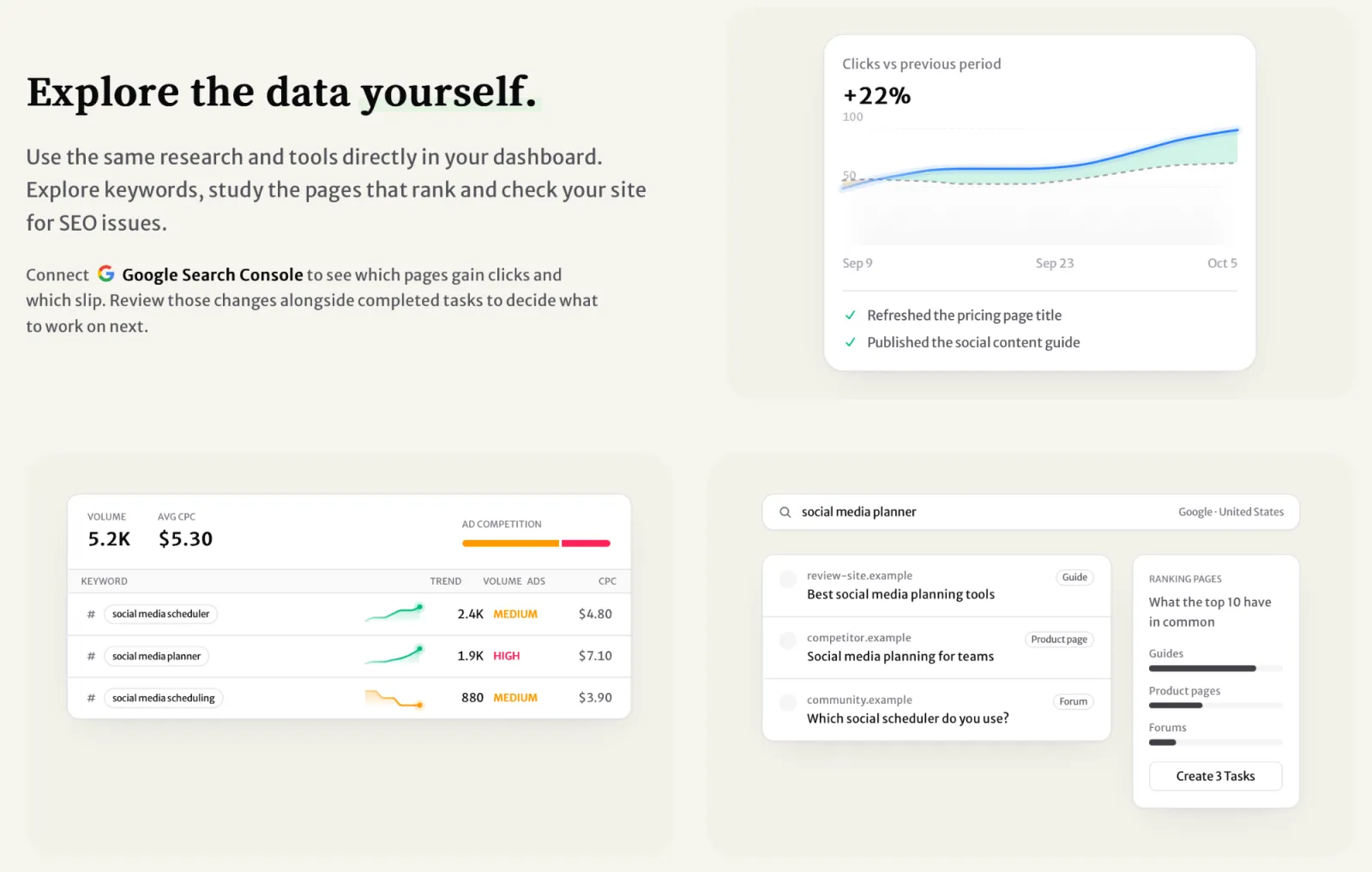
It finds the work. Connect Google Search Console and it reads what people actually search, which pages earn clicks, and which ones are slipping. Ideas come from what you sell, checked against the pages you already have. Nothing becomes a task until you accept it.
It writes and checks. The agent turns a rough idea or a full brief into a draft in your voice. Claims QA checks the facts against your brand, and Editorial QA checks the draft against your standards. It opens in the editor, where every AI edit is a revision you can undo.
It tells you what worked. Search Health says in plain words which pages are winning or slipping, and what to do next. That feeds the next round of ideas.
Buyers first, not volume
This is my big belief with CopyJump. You can't point an AI agent at a real business with real customers and say "write a post to sell my product". It's far more nuanced than that.
People rarely buy the product itself. They buy a fix for a problem, a bit of convenience, or a better moment in their day. The product is just how they get it. So before anything gets written, CopyJump works out who these people are, what's going on in their lives, and what made them start looking in the first place.
The world doesn't need another top 10 list with no meaning behind it. A top 10 only catches someone who has already decided to buy and is doing a last check against the alternatives. It doesn't win the sale. The page that wins meets them back when the problem first showed up.
It's the same problem I wrote about in Introspective AI Agents. An agent that charges ahead writes the obvious post. It has to stop and ask who it's for first.
That's also why I count customers, not traffic. A page that gets 300 visits and brings in ten customers beats one that gets 10,000 and brings in none. Every page CopyJump plans has to answer why someone should buy from this brand. Behind it is what I call the SEO conversion framework: how I think about branding, finding topics your buyers actually read, and writing pages that help people the way Google wants. It's not about gaming the system.
The same work helps with AI search. ChatGPT and Claude lean on pages Google already finds and trusts, so good SEO is how you show up there too. I won't promise you a citation, though.
SEO from your own AI
Most of my SEO starts in a chat now. I like to think an idea out before anything gets written, and the MCP lets Claude or ChatGPT use CopyJump directly. My assistant can research keywords, look at the site, schedule a task and pull the draft back, without me explaining the brand again in every chat.
I think that's where work is going. Your agents will use tools like teammates, so the tools need good defaults and a way to check their own work. Claims QA is that check for CopyJump.
I run it on my own products, including the technical ones. For Conditional Blocks, I trust it with code snippets, because it writes from the docs.